Article 1: Rabindranath Tagore Jayanti 2026
Why in News: India is observing the 165th birth anniversary of Rabindranath Tagore, reviving discussions on his intellectual debates with Mahatma Gandhi over nationalism, education, modernity, and the symbolic role of the charkha in India’s freedom struggle.
Key Details
- Rabindranath Tagore and Mahatma Gandhi shared a deep friendship despite major ideological differences. Their debates reflected two distinct visions of India’s political, economic, and cultural future during the freedom movement.
- The charkha became the central symbol of disagreement between the two leaders in the 1920s. Gandhi viewed spinning as a moral and economic duty, while Tagore feared excessive uniformity and symbolic politics.
- Tagore criticised blind nationalism and excessive mass conformity in political movements. He believed India’s progress depended on intellectual freedom, creativity, and openness to global ideas.
- The Gandhi–Tagore debate remains highly relevant in contemporary discussions on nationalism, development, and education. It provides important insights into balancing tradition with modernity in democratic societies.
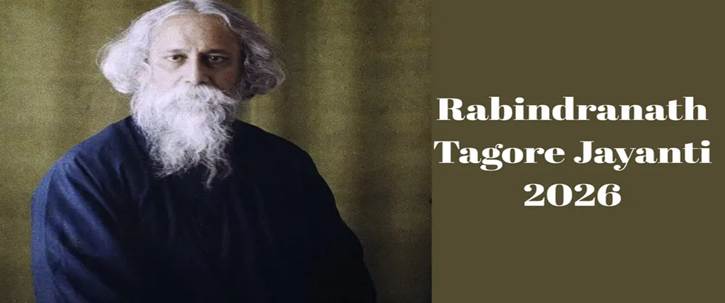
Rabindranath Tagore: Life and Major Contributions
- Birth and Background: Rabindranath Tagore was born on 7 May 1861 in Calcutta into the culturally influential Tagore family. He emerged as a poet, philosopher, educationist, novelist, composer, and social thinker during the Bengal Renaissance.
- First Asian Nobel Laureate: He became the first Asian to receive the Nobel Prize in Literature in 1913 for Gitanjali. His literary works introduced Indian spiritual and philosophical traditions to global audiences.
- National Anthem Contribution: Tagore composed “Jana Gana Mana”, India’s national anthem, and also authored Bangladesh’s national anthem “Amar Sonar Bangla”. This reflects his lasting cultural influence across South Asia.
- Founder of Visva-Bharati University: He established Visva-Bharati University at Santiniketan in 1921. The institution aimed to combine Indian traditions with global learning and humanist values.
Tagore and Gandhi: Intellectual Relationship
- Mutual Respect: Gandhi called Tagore the “Gurudev”, while Tagore referred to Gandhi as “Mahatma”. Despite disagreements, both respected each other’s contribution to India’s moral and political awakening.
- Differences in Nationalism: Gandhi promoted mass mobilisation and swadeshi as tools against colonialism. Tagore warned that aggressive nationalism could suppress individual freedom and critical thinking.
- Debate on Non-Cooperation Movement: Tagore feared that emotional nationalism could turn into blind conformity. However, he strongly condemned colonial injustice, including the Jallianwala Bagh Massacre, after which he renounced his knighthood.
- Shared Objective, Different Methods: Both leaders sought India’s dignity and self-reliance. Yet their methods differed significantly regarding education, economics, and social transformation.
The Charkha Debate and Its Significance
- Gandhi’s View of Charkha: Gandhi saw the charkha as a symbol of self-reliance, dignity of labour, and resistance to British industrial imports. He believed spinning khadi would economically empower villages and morally discipline citizens.
- Tagore’s Criticism: Tagore opposed making spinning a compulsory political ritual for all Indians. He argued that human creativity and diversity could not be reduced to a single symbolic activity.
- Concern over Uniformity: Tagore feared excessive emphasis on charkha would encourage blind obedience. He believed true freedom required intellectual independence and freedom of thought.
- Debate on Modernity: Tagore supported scientific advancement and global exchange of knowledge. He warned that rejecting technology and industrial progress could weaken India economically.
Tagore’s Educational Philosophy
- Holistic Education: Tagore believed education should nurture creativity, imagination, and moral development. He opposed rote learning and rigid colonial-style classroom systems.
- Learning through Nature: Santiniketan promoted open-air education and harmony with nature. This reflected Tagore’s belief that learning should be experiential and spiritually enriching.
- Internationalism in Education: He encouraged interaction between Eastern and Western traditions. His educational model aimed to create globally aware yet culturally rooted individuals.
- Relevance Today: Modern debates on multidisciplinary learning and experiential education reflect Tagore’s vision. The principles of the National Education Policy echo several aspects of his philosophy.
Tagore’s Views on Nationalism and Humanism
- Critique of Aggressive Nationalism: Tagore believed extreme nationalism could lead to violence and intolerance. He prioritised universal human values above narrow political identities.
- Concept of Universal Humanism: He advocated harmony among cultures and civilisations. His ideas promoted peace, cooperation, and global cultural dialogue.
- Freedom of Mind: Tagore emphasised intellectual liberty and independent thinking. His famous prayer “Where the mind is without fear” symbolises this aspiration.
- Contemporary Relevance: In a polarised world, Tagore’s humanism remains highly relevant. His ideas support inclusive nationalism and democratic pluralism.
Tagore’s Contribution to India’s Freedom Movement
- Cultural Nationalism: Tagore inspired patriotism through literature, songs, and art rather than direct political mobilisation. His works strengthened India’s cultural confidence during colonial rule.
- Renunciation of Knighthood: After the Jallianwala Bagh massacre in 1919, Tagore renounced the title “Sir” awarded by the British Crown. This became a powerful moral protest against colonial repression.
- Promotion of Rural Reconstruction: Through Sriniketan, he promoted rural development and self-sufficiency. He believed India’s progress depended on empowering villages through education and cooperation.
- Influence on Indian Thinkers: His ideas shaped leaders, artists, and educationists across generations. His contributions extended beyond politics into culture, ethics, and social reform.
Contemporary Relevance for India
- Debate on Development Models: The Gandhi–Tagore debate continues in discussions on tradition versus modernity. It highlights the challenge of balancing economic growth with ethical and cultural concerns.
- Education Reforms: Tagore’s emphasis on creativity and holistic learning remains significant today. It aligns with efforts to move beyond rote-based education systems.
- Pluralism and Democracy: Tagore’s humanist philosophy supports constitutional values of diversity and tolerance. This is particularly relevant in increasingly polarised societies.
- Sustainable Development: Gandhi’s local self-reliance and Tagore’s human-centred modernity both inform sustainable policy debates. Together, they offer complementary perspectives for India’s future.
Way Forward
- Promote Value-Based Education: India should integrate creativity, ethics, and critical thinking into education systems. This would strengthen democratic citizenship and innovation.
- Balance Tradition with Technology: Policymaking should combine cultural rootedness with scientific progress. This reflects the complementary strengths of Gandhi and Tagore’s visions.
- Strengthen Cultural Literacy: Greater awareness of Indian intellectual traditions can deepen civic understanding. Tagore’s writings remain valuable for debates on nationalism and humanity.
- Encourage Inclusive Nationalism: India’s development should remain anchored in pluralism and constitutional morality. This aligns with Tagore’s universalist outlook and democratic ideals.
Conclusion
The debate between Gandhi and Tagore over the charkha represented a deeper philosophical dialogue about India’s future. While Gandhi stressed discipline, self-reliance, and mass mobilisation, Tagore defended creativity, individuality, and openness to the world. Together, their ideas continue to shape India’s discourse on nationalism, education, democracy, and development.
EXPECTED QUESTION FOR UPSC CSE
Q. The debate between Rabindranath Tagore and Mahatma Gandhi on the charkha reflected deeper ideological differences regarding nationalism, modernity, and individual freedom. Discuss critically in the context of India’s freedom struggle. (250 words, 15 marks)