Article 2 : Bulleh Shah: Sufi Mysticism
Why in News: The vandalisation of the 17th-century Sufi poet Bulleh Shah’s shrine in Mussoorie has renewed debate on the protection and relevance of India’s syncretic Sufi heritage.
Key Details
- Bulleh Shah was a Punjabi Sufi poet (1690–1758) associated with the Qadri Sufi order.
- He preached ishq (universal love) over ritualistic religion, caste and gender divisions.
- His poetry openly challenged religious orthodoxy, caste hierarchy and patriarchy.
- His legacy continues across India and Pakistan, influencing music, literature and popular culture.
Sufism and Bhakti–Sufi Cultural Tradition
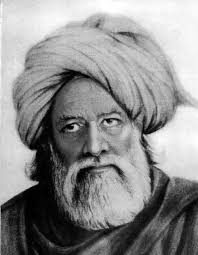
- Core Philosophy of Sufism: Sufism emphasises inner spiritual experience, love for the divine, tolerance and humanism, often rejecting rigid ritualism and dogma.
- Syncretic Indian Tradition: Like Kabir and Guru Nanak, Bulleh Shah belonged to the Bhakti–Sufi synthesis, where Hindu and Islamic ideas blended into a shared spiritual culture.
- Role in Social Harmony: Sufi saints historically acted as bridges between communities, spreading ethical values rather than theological boundaries.
- Use of Vernacular Languages: Writing in Punjabi rather than Persian or Arabic made spiritual ideas accessible to common people.
Life and Intellectual Background of Bulleh Shah
- Birth and Education: Born in Kasur (present-day Pakistan), Bulleh Shah was well-versed in Arabic, Persian and the Quran, reflecting strong classical training.
- Spiritual Lineage: He followed the Qadri Silsilah, tracing intellectual roots to Abdul Qadir Gilani of Baghdad.
- Choice of Guru as Social Defiance: He accepted Shah Inayat Qadri, from a lower caste background, rejecting caste hierarchy despite opposition from his own Syed lineage.
- Simple Language, Deep Thought: His kafis used everyday Punjabi idioms to communicate complex mystical ideas.
Rejection of Religious Orthodoxy
- Critique of Ritualism: Bulleh Shah criticised formal rituals such as rigid namaz, fasting and Sharia-based legalism when divorced from compassion.
- Primacy of Love (Ishq): He argued that love for humanity was superior to external religious symbols.
- Challenge to Clerical Authority: His poetry angered orthodox clergy, leading to social boycott and denial of burial space after death.
- Universal God Concept: He saw the divine beyond labels of Hindu or Muslim, temple or mosque.
Opposition to Caste and Patriarchy
- Caste as a Barrier to Spirituality: By accepting a lower-caste guru, Bulleh Shah directly confronted entrenched caste hierarchies.
- Gender as Spiritual Expression: He used a feminine voice in his poetry, symbolising vulnerability, devotion and resistance to patriarchy.
- Rejection of Masculine Orthodoxy: Singing and dancing in attire associated with women challenged rigid gender norms of his time.
- Human Dignity at the Centre: His famous verse emphasises that hurting a human heart is worse than destroying religious structures.
Blending of Religious Beliefs (Syncretism)
- God in Multiple Forms: Bulleh Shah saw divinity in Krishna, Rama and Muhammad, rejecting exclusivist theology.
- Opposites as Unity: He viewed friend–enemy, Hindu–Muslim, man–woman as artificial divisions created by society.
- South Asian Mystical Tradition: His work reflects a uniquely Indian spiritual outlook rooted in pluralism.
- Cultural Integration: This approach strengthened inter-community harmony in Punjab’s diverse society.
Contemporary Relevance and Cultural Legacy
- Living Cultural Influence: His kafis inspire music, cinema and literature across borders, including songs like Bulla Ki Jana Main Kaun.
- Shrines as Shared Spaces: His tomb attracts people of all faiths, symbolising inclusive spirituality.
- Threats to Syncretic Heritage: Incidents of vandalism highlight rising intolerance and neglect of composite culture.
- Constitutional Resonance: His ideas align with constitutional values of fraternity, dignity and secularism.
Conclusion
Bulleh Shah’s life and poetry remind us that spirituality rooted in love and humanity transcends religious boundaries. Protecting Sufi shrines, promoting cultural education, and strengthening constitutional values of pluralism are essential to preserving India’s syncretic heritage. In an age of rising polarisation, his message of universal love remains deeply relevant.
EXPECTED QUESTION FOR UPSC CSE
Prelims MCQ
Bulleh Shah was associated with which Sufi order?
(a) Chishti
(b) Naqshbandi
(c) Qadri
(d) Suhrawardi
Answer: (c)