COMMON DISEASES IN HUMANS
Diseases caused by nutritional Problems: It is important to have knowledge about the nutritional problems in our country.
Macronutrient Deficiencies
Protein- Energy Malnutrition (PEM): Can be found in every society, even in developed and industrialised countries, although the numbers are fewer in the latter as compared to developing countries. It is caused by inadequate food intake vis–a–vis the requirements, i.e., insufficient intake of the macronutrients (energy and protein). Children are at greatest risk although PEM can occur in adults especially the elderly, as well as in some diseases e.g., T.B., AIDS, etc. It is assessed by evaluating the anthropometric measurements (weight, height, head-chest circumference, etc.).
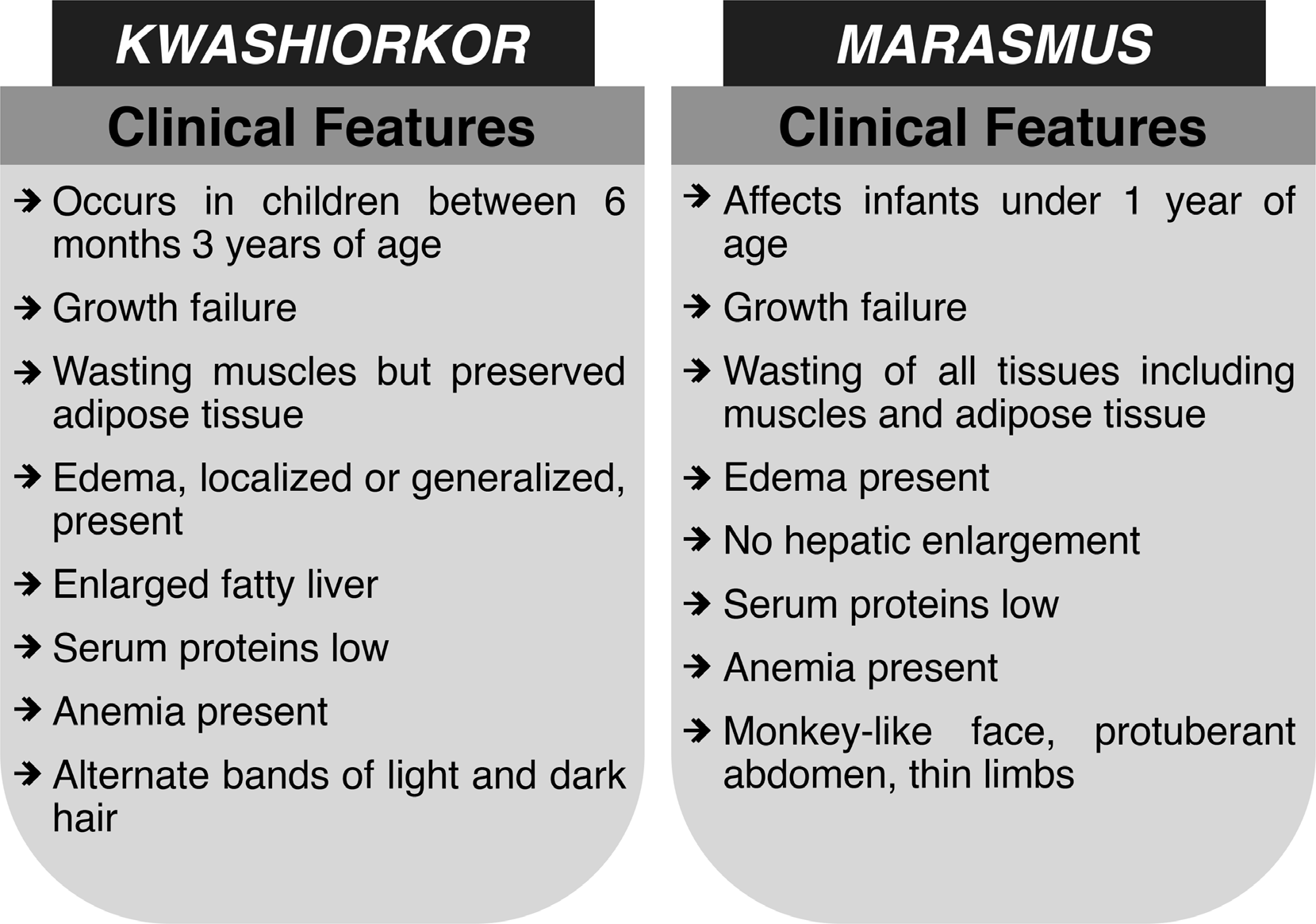
Severe undernutrition due to deficiency of food and energy is termed as ‘marasmus’ and that caused by protein deficiency is termed ‘kwashiorkor’
Micronutrient deficiencies
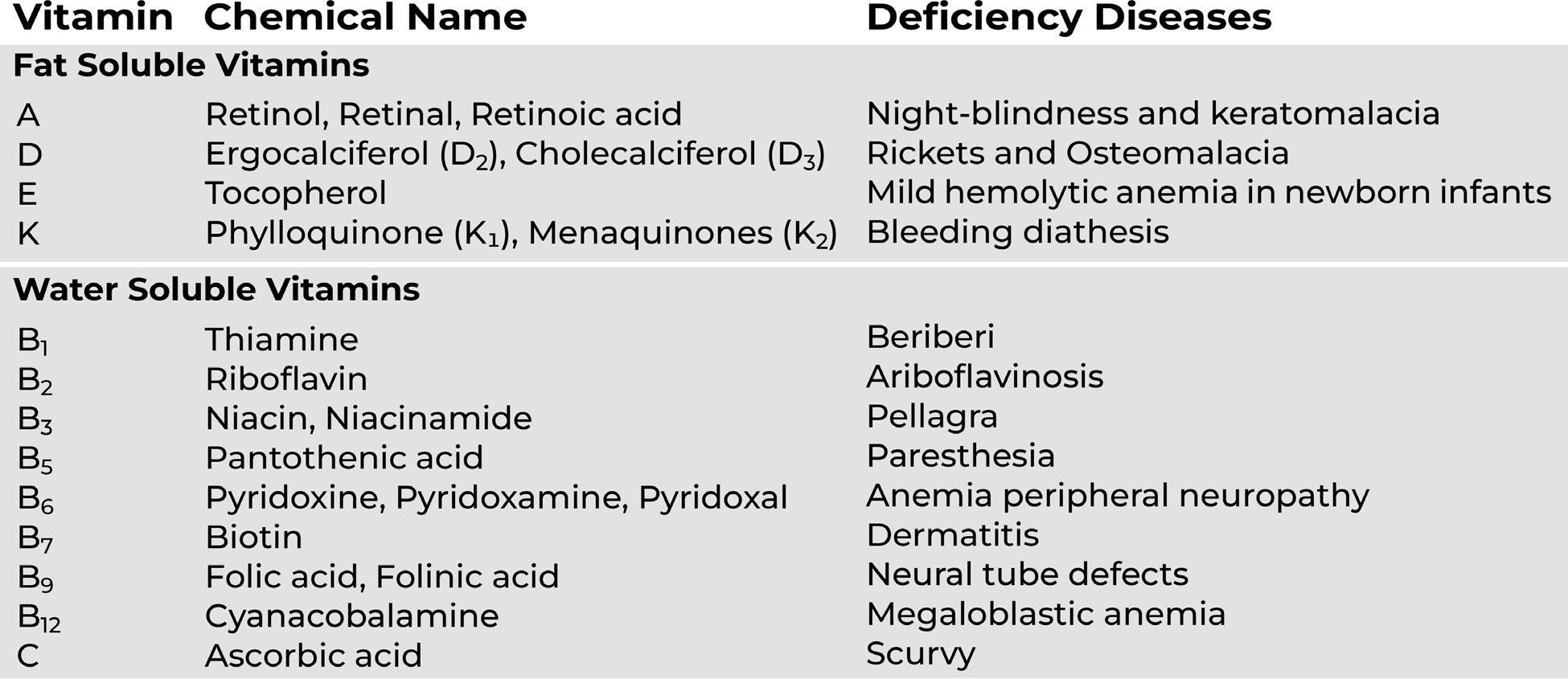
Even if the diet is not deficient in energy and protein content it may contain inadequate amounts of other nutrients especially micronutrients viz. minerals and vitamins. The term “hidden hunger” is used to refer to micronutrient deficiency. The deficiencies of iron, vitamin A, iodine, zinc is of major public health concern. In addition, there is growing concern about deficiency of vitamin B12, folic acid, calcium, vitamin D and riboflavin. Some micronutrient deficiencies of public health concern are described below:
Vitamin Deficiency
Iron Deficiency Anaemia: It is the most common nutritional disorder in the world and is prevalent in both developed and developing countries. The vulnerable groups are women in child–bearing age, adolescent girls, pregnant women and school age children. IDA occurs when haemoglobin production is considerably reduced and it results in low levels of haemoglobin in blood. Symptoms depend on the rate of fall in haemoglobin. Since haemoglobin is required for carrying oxygen in the body, any physical exertion leads to shortness of breath (breathlessness on slight exertion) and the person complains of fatigue and may feel lethargic. Manifestations of IDA include general pallor, paleness of conjunctiva of eyes, tongue and nail beds and soft palate. In children, cognitive functions (attention span, memory, concentration) are adversely affected.
Iodine deficiency disorders (IDD): Iodine is required for normal mental and physical growth and development. IDD is an ecological phenomenon, largely due to deficiency of iodine in the soil. Some of the states in India where IDD is common are– Jammu and Kashmir to Arunachal Pradesh in the Himalayan belt, Andhra Pradesh, Karnataka, Kerala, Maharashtra and Madhya Pradesh. The term ‘Iodine Deficiency Disorders’ refers to a spectrum of disabling conditions that affect the health of humans, from foetal life through adulthood due to inadequate dietary intake of iodine. Deficiency of iodine results in insufficient amount of thyroid hormone which is synthesised by the thyroid gland. Enlarged thyroid known as ‘goitre’ is themost common manifestation of iodine deficiency in adults. In children it manifests as cretinism. Iodine deficiency in adults during pregnancy has several adverse effects specially resulting in mental retardation and congenital abnormalities of the foetus. Unfortunately, this effect is irreversible. IDD is estimated to affect about 13 per cent of the world’s population and about 30 per cent are at risk