• DISEASES CAUSED BY VIRUS
| Disease | Symptoms/organs affected | Transmission through | Vaccine |
| Influenza | RespiratoryPassages: epithelial lining of trachea and bronchi | Droplet infection | Available: has to constantly change due to mutations in the virus |
| Common Cold | Respiratory Passage | Droplet Infection | Available: Flu shots |
| Small Pox | Visible Skin and Respiratory pathway | Direct contact with infected persons: face to face, bodily fluids or bedding/clothing objects | Vaccine was developed; isn’t needed now because smallpox has been eradicated |
| Chickenpox | Blistering Skin Rash | Air Borne droplets | Live Attenuated Virus Vaccine (LAV) |
| Mumps | Respiratory Passage | Droplets | MMR vaccine (measles, mumps and rubellfor all three which is a LAV |
| Measles | Lungs then it spreads to the skin | Droplets | |
| Rubella (German Measles) | RespiratoryPassageand lymph nodes | Droplets | |
| Polio | Nervous system: leads to paralysis | Faeces and droplets: Role of contamination of water and hygiene | OralPolioVaccine (OPV) Injectable Polio Vaccine: injectable |
| Yellow Feve | Mild: fever, later fatal heart liver and kidney conditions | Vectorbasedspread:aedes mosquitoes | Live Attenuated Vaccines (LAV) |
| Acquired Immunodeficiency Syndrome(AIDS) caused by HIV (Human Immunodeficiency Virus) | HumanImmunodeficiency: destroys immune system | Sexual Intercourse, blood contact, Vertical Transmission | None |
| Ebola | Chills, Dehydration, fever; Ultimately it is fatal | Zoonotic disease and later through contact; even with the dead | None |
| Zika | Mild Illness then dengue like symptoms | Vector Bite: aedes, sometimes sexual | None |
| Rotavirus | Diarrhoea: GI tract | Fecal-oral route, usually through direct contact between people | Recently a vaccine has been developed |
| Japanese Encephalitis | Brain swelling: severe headache; fatal in children | Culex (is a type of mosquito) | Vaccine is available and is a part of National Schedule |
| KFD(KyasanurForest disease) | High grade fever and chills | Transmission to humans may occur after a tick bite or contact with an infected animal | Tissue culture–derived, formalin-inactivated whole virus vaccine |
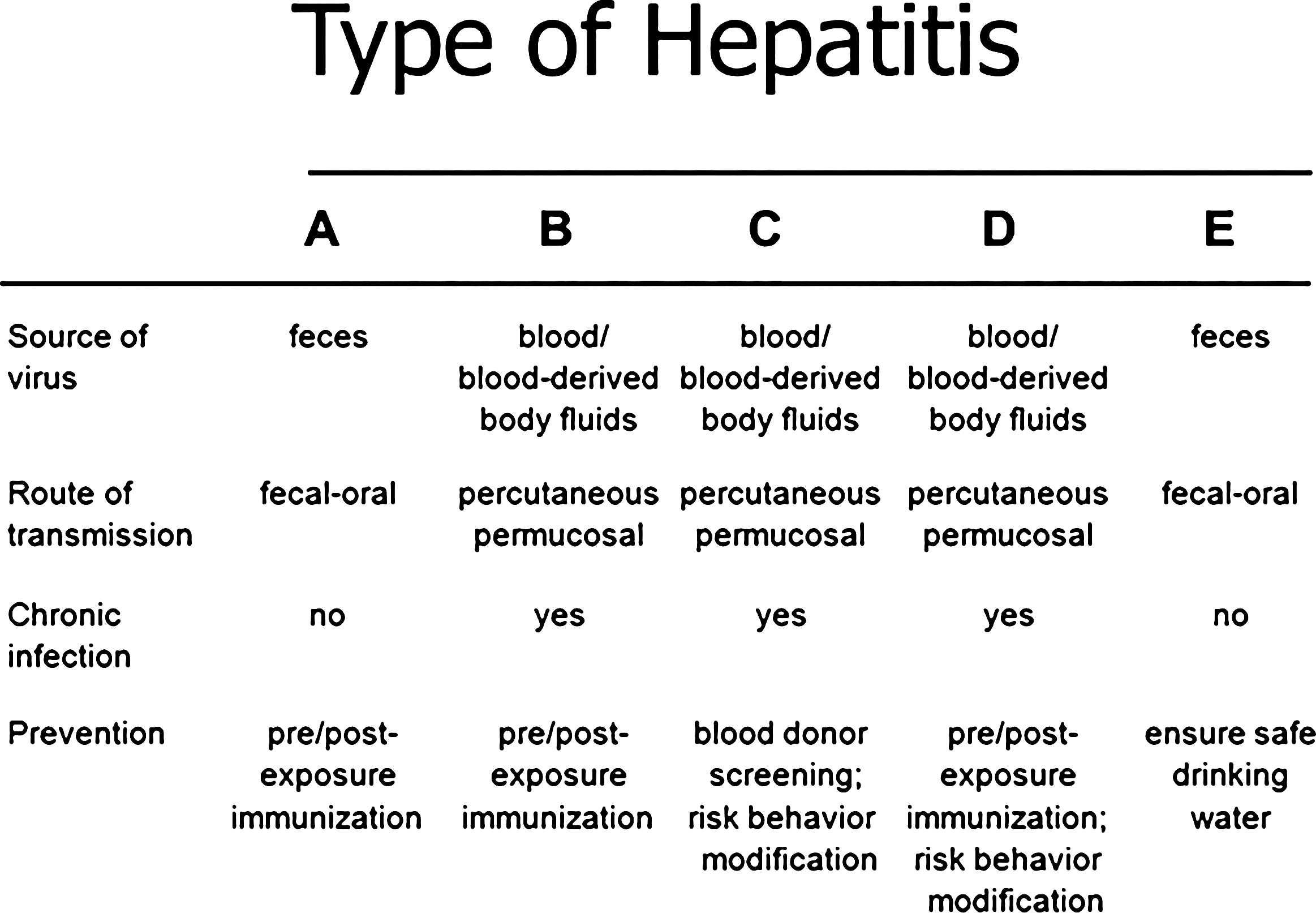
Hepatitis
COVID-19 and Mutations
In a virus, because of the presence of genetic material, mutations are possible. Viruses infect a population by rapid replication. Because the number of replications of a virus is too high, there are higher chances of changes in the genetic material of the virus. This was particularly true in the case of COVID-19 virus. If we have made a vaccine on the basis of the spike protein of one particular variant of the virus, it would not be as effective for different variant. The B cells will have memory through vaccination for a particular type of variant and not all of the variants of the virus.
There are two terms:
Variant: Functional properties different from original virus
Strain: When new variant gets established in population, it is referred to new strain. A strain behaves differently from parent virus. Thus, all strains are variants but not all variants are strains.
As per WHO, variants are classified as:
Variant of Concern: Increased transmissibility, increased fatality, significant decrease in vaccine or therapy effectiveness. For ex: Alpha, Beta, Gamma, Delta, Omicron in the case of COVID-19
Variant of Interest: Disease severity, immune escape, transmissibility, diagnostic escape and increased volume of community transmission. Eta, Kappa, Lambda
Variant Under Monitoring: Genetic changes are there but epidemiological impact is unclear ACE2
It is a protein on the surface of many cell types and tissues including the lungs, heart, blood vessels, kidneys, liver and gastrointestinal tract.
It is an enzyme that generates small proteins – by cutting up the larger protein angiotensinogen – that then go on to regulate functions in the cell.
ACE2 is present in all people but the quantity can vary among individuals and in different tissues and cells.
It is present in epithelial cells, which line certain tissues and create protective barriers.
ACE2 is a vital element in a biochemical pathway that is critical to regulating processes such as blood pressure, wound healing and inflammation, called the renin- angiotensin-aldosterone system (RAAS) pathway.
ACE2 helps modulate the many activities of a protein called angiotensin II (ANG II) that increases blood pressure and inflammation, increasing damage to blood vessel linings and various types of tissue injury
It provides the entry point for the coronavirus to hook into and infect a wide range of human cells.
Influenza Virus
It causes respiratory infection.
Flu/Viral Fever is a contagious respiratory illness caused by influenza viruses that infect the nose, throat, and sometimes the lungs. It can cause mild to severe illness, and at times can lead to death. The best way to prevent flu is by getting a flu vaccine each year.
There are 4 types of seasonal viruses: A, B, C and D.
A and B cause seasonal epidemics.
Influenza A: classified on basis of proteins on surface of virus.
H9N2, H5 COVID-19 and Hantavirus both are harmful disease spread through virus but on the other hand both are fundamentally different in structure, fatality, tropism
N1 are avian influenza infection period and impact on human organs. COVID-19 is a contagious respiratory disease transmitted between humans and the credible source of origin and reason of origin is yet not clear, however some experts believes that it is transmitted through bat to humans with first case noticed in Wuhan in China.
Hantavirus is a rare, zoonotic disease transmitted primarily from rodents to humans, with a much higher fatality rate as compared to COVID-19