MINIATURE PAINTINGS IN INDIA
Miniature painting is an intricate form of art involving highly detailed paintings on a small scale. The Indian sub-continent has long tradition of these miniature paintings and many related schools developed that have difference in composition and perspective. Preconditions that are necessary to be fulfilled for making a Miniature painting are as follows:
The size of painting should not be larger than 25 square inches.
The subject of painting should be painted in not more than 1/6th of the actual size.
Early Miniature
Earlier, miniatures were frequently painted on perishable materials like paper, palm leaves and fabric for books or albums. The art of miniature painting emerged between the 8th and 12th centuries, virtually as a reaction to the massive wall paintings. This style of painting can be seen in both the eastern and western parts of the country.
Two well-known schools related to miniature painting are:
• Pala School of Art
• Apabhramsa School of Art
Pala School of Art
This school was flourishing during 750-1150 AD. These paintings are generally found as a part of manuscripts and were generally executed on palm leaf or vellum paper. These paintings are characterised by sinuous lines and subdued tones of the background imagery. There are lonely single figures in the paintings and one rarely finds group paintings. They have simple compositions and were patronised by some of those rulers who promoted Buddhism. The proponents of the Vajrayana School of Buddhism also used and patronised these paintings. The prominent painters were Dhimman and Vitapala.
Apabhramsa School of Art
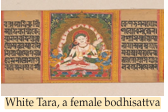
This school traces its origin to Gujarat and Mewar region in Rajasthan. It was the predominant school of painting in Western India during 11th to 15th century. The Jaina religion was the most prominent motif in these paintings and the Vaishnava School adopted it afterward. They included the concept of Gita Govinda and secular love in these artworks, which had previously been dominated by Jain imagery. The colors employed in the paintings were mainly red, yellow and ochre and they had symbolic value. They employed bright and gold colors in the final stages. Apabhramsa artists depicted human figures with fish shaped bulging eyes, pointed nose, double chin, angular face and female figure with large hips and breasts. Kalpasutra and Kalalacharyakatha are famous creations of Jain text by Apabhramsa artists.
Miniature Art During Delhi Sultanate
These paintings tried to bring together the Persian elements of their origin with the Indian traditional elements. They gave preference to illustrated manuscripts. Ex. Nimatnama (a book on cookery) during the reign of Nasir Shah who ruled over Mandu.
This manuscript shows the synthesis of the indigenous and Persian styles. Apart from that, a style known as the Lodi Khuladar was popular at this time and was practiced in many of the Sultanate-controlled districts between Delhi and Jaunpur.
According to Tarikh-i-Firozshahi of Shams-i-Siraj Afif, Sultan Firoz Shah Tughlaq banned the tradition of making paintings on the walls of the palace of Delhi.
Mughal Era Miniature Painting
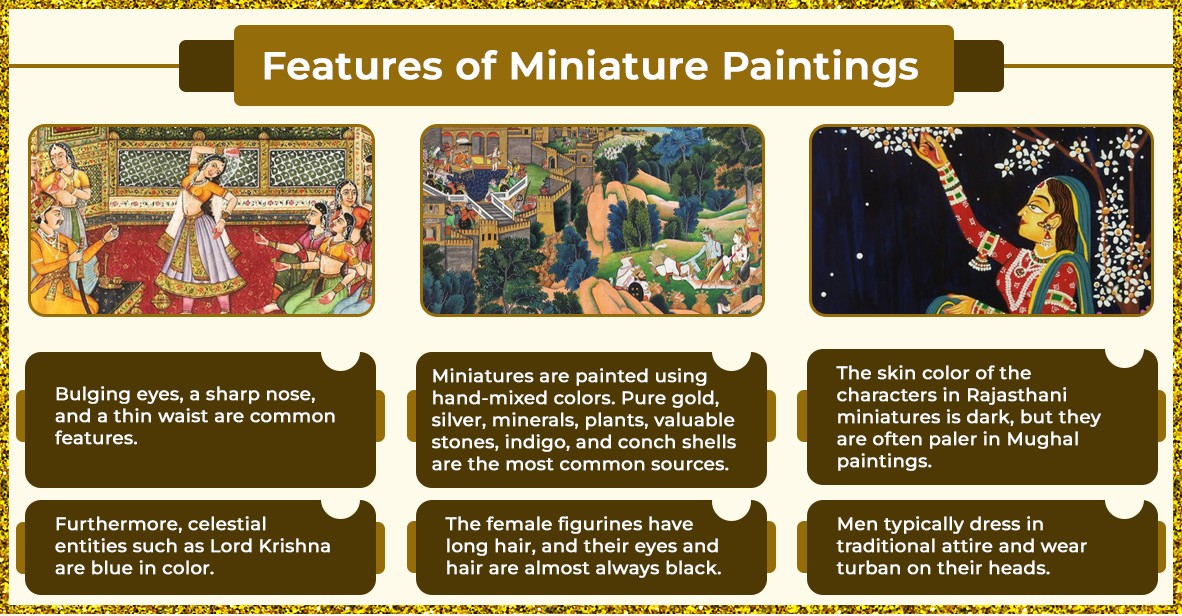
White Tara, a female bodhisattva Mughal paintings were an example of court art because progress was witnessed under the patronage of Mughal courts. They were influenced by Persian elements. Oil paintings were absent during this period. The Mughal paintings combined the realistic style of Persia with the grandeur of a vast empire to produce some stunningly illustrated folios. There was a change in colour palette, themes and forms. The focus shifted from depicting the god to glorifying the ruler and showing his life. They focused on hunting scenes, historical events and other court related paintings
DEVELOPMENTS IN PAINTINGS DURING MUGHAL ERA
Early Mughal Painters
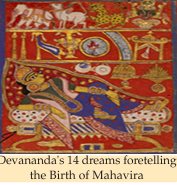
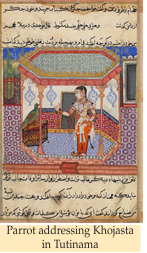
Babur, the founder of the Mughal empire in India, patronized the Persian artist Bihzad who made some illustrations of the Mughal family tree. Humayun, a great patron of the arts, ascended to the throne at a young age. He enjoyed painting and constructing beautiful monuments, but his atelier was disrupted when he lost the throne to Sher Shah Suri and was exiled to Persia. While at Shah Abbas' court in Persia, he hired two major painters, Abdus Samad and Mir Sayyid Ali, who stayed with him after he reclaimed his throne and established the Mughal dynasty in India. These artists were responsible for introducing Persian influences into Mughal paintings and produced a number of successful illustrated albums. They created an illustrated manuscript called Tutinama during Akbar's reign.
Akbar’s Era
• Akbar established a separate department for paintings known as Tasvir Khana where the artists were hired on salary and they developed their own styles. Akbar looked upon paintings as a means of study and amusement. The use of three-dimensional figures and the continued use of foreshortening are distinguishing features of Akbar’s paintings. The artists also encouraged the use of calligraphy in their paintings. One of the distinguishing features of this period was the transformation of popular art to court art, in which the artist was more concerned with depicting scenes of court life rather than scenes of popular life
• Daswant, Basawan, and Kesu are some of the most well known painters of this era. During Akbar’s reign, notably illustrated manuscripts include Tutinama, Hamzanama, Anvar-i-Suhaili, and Gulistan of Sadi.
Jahangir
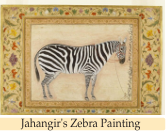
• During the reign of Jahangir, Mughal paintings achieved their pinnacle. By nature, he was a naturalist who loved paintings of flora and fauna, such as birds, animals, trees and flowers. He emphasized the importance of incorporating naturalism into portrait painting. One of the distinctive trends that emerged during this time period was the use of decorated margins around paintings that were sometimes as elaborate as the paintings themselves. Jahangir was regarded as a talented artist and he maintained his own private workshop, though no major works by him have survived. His atelier primarily produced miniature paintings, the most famous of which were naturalistic paintings of the zebra, turkey and cock.
• Ustad Mansoor, a master of drawing the features of the most complex faces, was one of his era's most famous artists. During his reign, an animal fable called Ayar i-Danish (Touchstone of Knowledge) was illustrated.
Shah Jahan
• During Shah Jahan’s reign, the tone of Mughal art shifted dramatically. In contrast to his father and grandfather, who preferred naturalistic images, Shah Jahan preferred to use artificial elements in his paintings.
• According to legend, he attempted to diminish the vitality of the paintings and introduce unnatural stillness as a result of European influence. He changed the drawing and painting techniques from the previous period. He discouraged the use of charcoal in drawing and instead encouraged the artists to draw and sketch with a pencil. He also directed that more gold and silver be used in the paintings. In addition, he preferred brighter color palettes than his predecessors