SOUTH INDIAN MINIATURE PAINTING
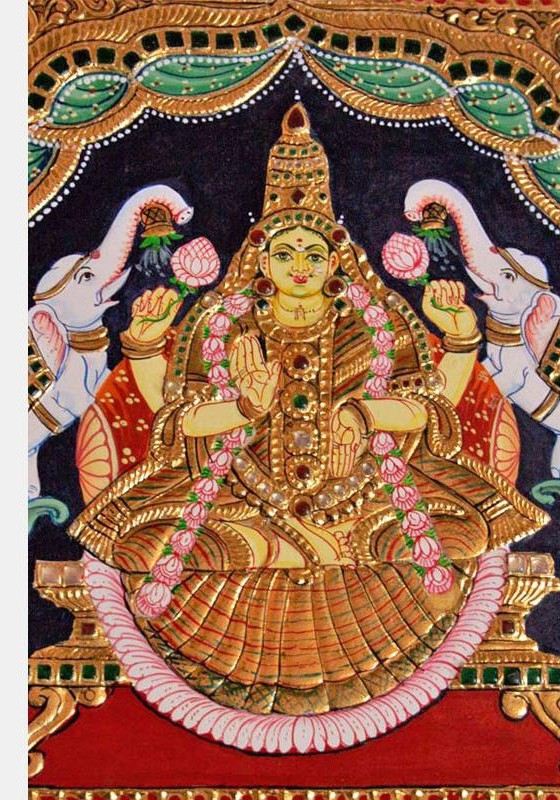
The practice of creating miniature paintings was already well-established in the South Indian states throughout the early medieval period. Because of the climate, these schools differed from those in northern India.These paintings have a lot of gold in them. They also focussed their efforts. Much more time is spent drawing celestial creatures than it is spent painting rulers.
The following are some of the most well-known schools:
Tanjore painting
Mysore painting
Tanjore Painting
The Thanjavur or Tanjore School is known for its unique decorative painting style. It was patronized by the Maratha rulers. These paintings are primarily made of glass and board rather than the traditional cloth and vellum used in north
India. Rich vibrant colours, abundant use of gold leaf are features of Tanjore paintings.
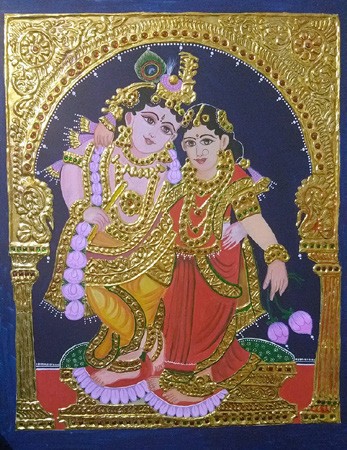
The majority of the paintings showed Krishna smiling in various stances and highlighted numerous significant events in his life.
Mysore Painting
The rulers of Mysore province were patrons of these paintings, which lasted under the British period as well. The representation of Hindu gods and goddesses is a key motif in the Mysore paintings. Lord Shrinath, an incarnation of Lord Vishnu was most notable theme.
They employ ‘gesso paste,’ which is zinc oxide and Arabic gum mixture. This provides the painting with a distinct foundation that produces a gloss over the backdrop. Main Centres: Sravanabelagola, Bengaluru, Tumakuru, Narasipura and Nanjanagudu