Stem Cells
Stem cells are those cells which have the ability to divide and form many other cells (both types and number) sometimes even form a complete individual. Did we study about any stem cell so far? Remember the zygote? Zygote develops and ultimately forms the entire individual. Thus, zygote is a type of stem cell. Other types of stem cells are-
• Totipotent Stem Cells: Toti (total) + potent (potential) = These are those stem cells which have the ability to form the complete organism or individual. Ex: Embryo is a totipotent cell.
• Pluripotent Stem Cells: Pluri (multiple) + potent (potential) = These are those stem cells which have the ability to form many different organs but not all. These cannot make the entire organism. Ex: Ectodermic cells which make nervous system and skin.
• Multipotent Stem Cells: Multi (many) + potent (potential) = These are those stem cells which are linked to one particular organ in the body but still make multiple types of cells for the body. Ex: Bone Marrow cells are found in the bone but make RBCs, WBCs, platelets, etc.
• Induced Pluripotent Stem Cells: Induced (persuading/ leading) + Pluripotent Stem Cells = Normal somatic cells persuaded to form stem cells. We modify the somatic cells of an adult to form Pluripotent Stem Cells. How is this possible? There are four genes in normal somatic cells called as Yamanaka Genes (named after the scientist who discovered them). By modifying these Yamanaka genes, we can induce the normal somatic cells to form pluripotent stem cells.
• Purpose of this? Imagine a case where a person needs a kidney transplant. While people can live on one kidney, such transplants have certain risks such as: the person who received the organ transplant, may go through what is called immune rejection of graft. This means that the person’s immune system rejects the organ transplanted. To avoid this, doctors often reduce the efficacy of the immune system which raises the risk of the person getting some other disease.
Another solution is: we can use the somatic cells of the person, make Induced Pluripotent Stem Cells and make the organ required. And since somatic cells of the person receiving the organ are used, there is no risk of immune rejection. This is the technology developed by Professor Yamanaka who was awarded the Nobel Prize in Medicine for his contributions.
Other Applications of Stem Cells-
Osteoarthritis of the knee- It is a degenerative disease where the damage overtakes the normal repair. Here, we can use the patient’s own stem cells to provide regenerative support. Thus, stem cells can be used for regenerative medicinal use.
Thalassemia
Osteoporosis
Leukemia
Advantages: Minimal Immune rejection because cells
are derived from the body itself.
What is stem cell banking?
It is the storage of umbilical cord stem cells from a newly born baby at -170 C with liquid nitrogen to be used for future therapy. If and when that baby needs the stem cells in her life, these can be used.
Challenges and Concerns
• Ethical issues: Using embryonic stem cells involves destroying human embryos, which raises ethical objections from some groups.
• Immunological rejection: Transplanted stem cells may be recognized as foreign by the recipient’s immune system and attacked, leading to graft failure or complications. Immunosuppressive drugs may be needed, but they have side effects and risks of infection.
• Cancer risk: Embryonic and induced pluripotent stem cells have the potential to form tumours if they are not fully differentiated or controlled. The genetic manipulation of these may also introduce mutations or epigenetic changes that increase cancer risk.
• Technical difficulties: Identifying, isolating, and expanding stem cells from adult tissues is challenging and inefficient. Directing stem cell differentiation into the desired cell types is also difficult and requires precise understanding of the molecular and cellular mechanisms involved.
Therapeutic Cloning
This is the process by which we can produce a healthy replica of a human organ
It is like reproductive cloning till production of embryo.
Produced embryo is allowed to grow in lab.
Embryo is allowed to grow and then stem cells are
extracted
This leads to the death of the embryo formed by the stem cells
While this method does treat diseases by replacing damaged cell, questions arise on whether the embryo was living or not, and whether killing it meant taking the life of someone.
Applications: Ageing, cancer, implant surgeries
Forensic Biotechnology
• Through the process of DNA fingerprinting: this helps in the identification of criminal by use of biotechnology
• The credit for discovery of DNA fingerprinting goes to Sir Alec Jeffreys in 1984
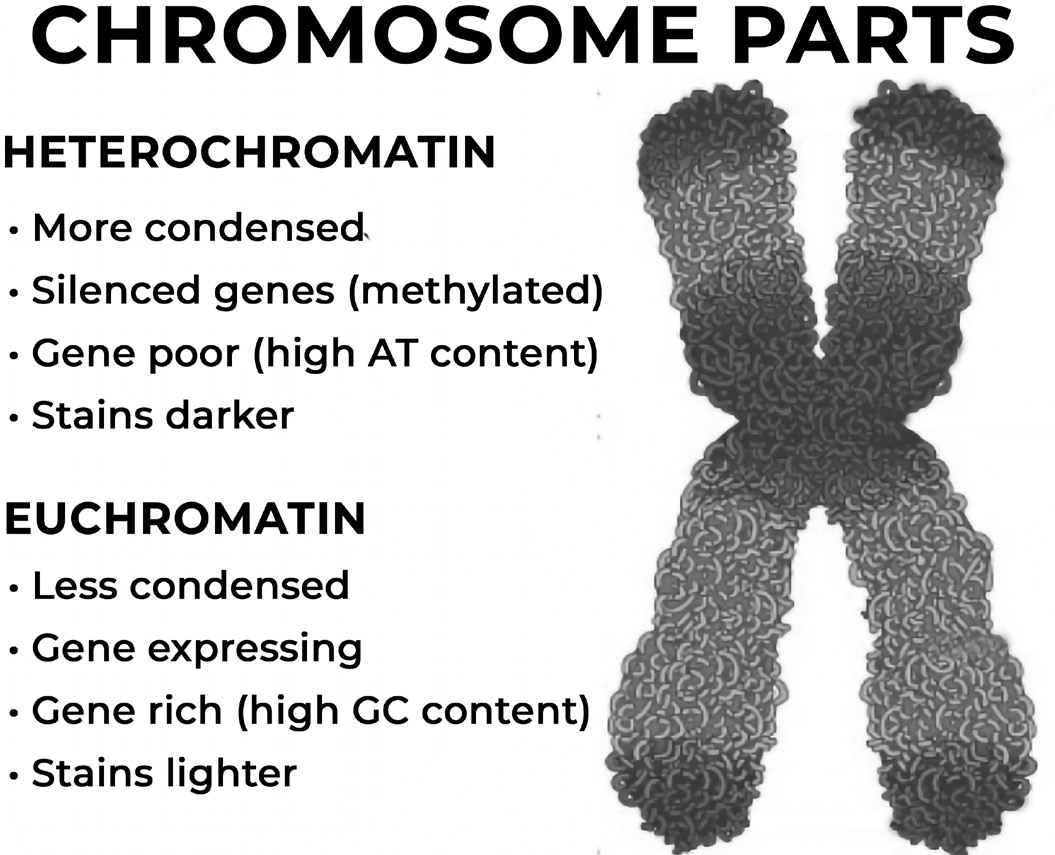
• DNA fingerprinting involves identifying differences in some specific regions in DNA sequence called as repetitive DNA, because in these sequences, a small stretch of DNA is repeated many times. These repetitive DNA are separated from bulk genomic DNA as different peaks during density gradient centrifugation. The bulk DNA forms a major peak and the other small peaks are referred to as satellite DNA. Depending on base composition (A: T rich or G: C rich), length of segment, and number of repetitive units, the satellite DNA is classified into many categories, such as micro- satellites, mini-satellites etc. These sequences normally do not code for any proteins, but they form a large portion of human genome. These sequences show high degree of polymorphism and form the basis of DNA fingerprinting. Since DNA from every tissue (such as blood, hair-follicle, skin, bone, saliva, sperm etc.), from an individual show the same degree of polymorphism, they become very useful identification tool in forensic applications. Further, as the polymorphisms are inheritable from parents to children, DNA fingerprinting is the basis of paternity testing, in case of disputes
• Here we use variable number of tandem repeats (VNTR). What is VNTR?
• Remember the Coding vs Non coding part of the DNA discussed earlier in the chapter?
• We talked about how the non-coding part of the DNA has more differences between individuals and can actually be used to uniquely identify them.
• In the non-coding region of the DNA, the DNA exists in Short Tandem Repeats
• STR = Short + Tandem + Repeat = Short and Repeat is clear, tandem means in sync. Same, short part of the DNA repeats often. Because overall repeats of this sequence are not the same for every individual but variable, it is called as Variable Number of Tandem Repeats.
• Note: This is an oversimplistic explanation and the actual process is much more complex than this. But, for our purposes, it should suffice.
• Applications
• Criminal Investigation
• Paternity testing
• Immigration Cases
• Child swapping cases
• Disaster victim identification
Telomere to Telomere Project